is lidocaine toxic Local anesthetic systemic toxicity (last) – core em
Lidocaine toxicity is a serious condition that can occur when too much of the drug is present in the bloodstream. As a nursing student, it’s important to understand the signs and symptoms of lidocaine toxicity in order to provide prompt and effective care to patients who may be experiencing this condition. The first sign of lidocaine toxicity is typically numbness or tingling in the lips, tongue, or inner cheeks. This numbness can quickly progress to other areas of the body, including the fingers, toes, and face. If left untreated, lidocaine toxicity can cause seizures, respiratory depression, and even cardiac arrest. It’s important to remember that lidocaine is a local anesthetic, meaning it’s only intended to be used in a specific area of the body. When lidocaine is injected into the bloodstream or used in excessive amounts, it can build up and cause toxicity. As a nurse, you may encounter patients who are at risk for lidocaine toxicity, such as those undergoing dental or surgical procedures. It’s important to monitor these patients closely for any signs of toxicity, including changes in heart rate, blood pressure, and respiratory rate. In the event that a patient does experience lidocaine toxicity, prompt treatment is essential. This may include administering oxygen, administering medications to control seizures or other symptoms, and in severe cases, providing advanced life support measures. It’s also important to educate patients on the risks associated with lidocaine use and to encourage them to speak with their healthcare provider if they notice any unusual symptoms after receiving lidocaine injections or other treatments. In conclusion, lidocaine toxicity is a serious condition that can have potentially life-threatening consequences. As a nursing student, it’s important to understand the signs and symptoms of lidocaine toxicity and to be prepared to provide prompt and effective care to patients who may be experiencing this condition. By staying vigilant and taking appropriate measures to prevent and treat lidocaine toxicity, nurses can help to ensure the best possible outcomes for their patients.
Image 1 - LIDOCAINE TOXICITY
 Photograph showing a person experiencing symptoms of lidocaine toxicity.
Image 2 - What Is The First Sign Of Lidocaine Toxicity

If you are searching about LIDOCAINE TOXICITY | Nursing school survival, Pharmacology nursing you’ve came to the right place. We have 5 Images about LIDOCAINE TOXICITY | Nursing school survival, Pharmacology nursing like What Is The First Sign Of Lidocaine Toxicity - cloudshareinfo, How long does Lidocaine toxicity last? « CancerWORLD and also Lidocaine 2% for Animal Use Generic (brand may vary) - Safe.Pharmacy. Read more:
LIDOCAINE TOXICITY | Nursing School Survival, Pharmacology Nursing
www.pinterest.comlidocaine toxicity nursing teeth pharmacology choose board
What Is The First Sign Of Lidocaine Toxicity - Cloudshareinfo
Local Anesthetic Systemic Toxicity (LAST) – Core EM
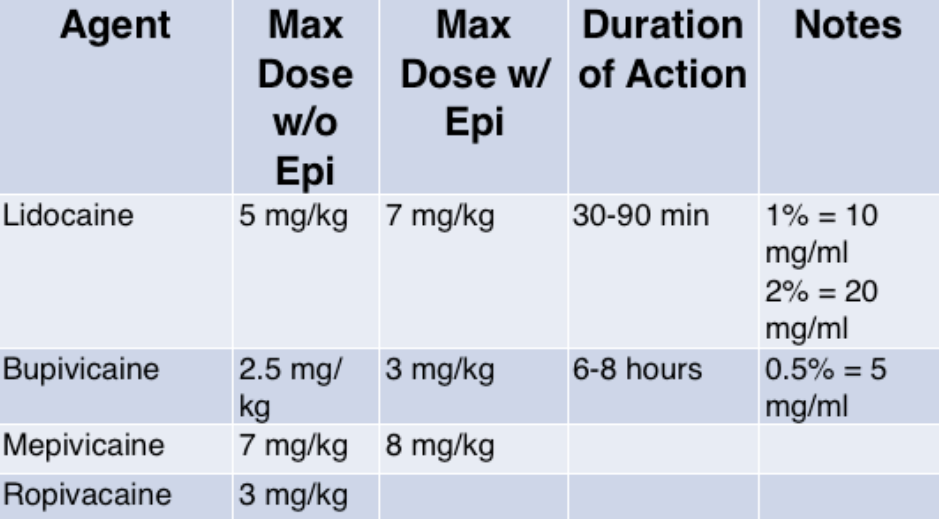 coreem.netlocal anesthetic last toxicity anesthetics systemic table commonly used
Lidocaine 2% For Animal Use Generic (brand May Vary) - Safe.Pharmacy
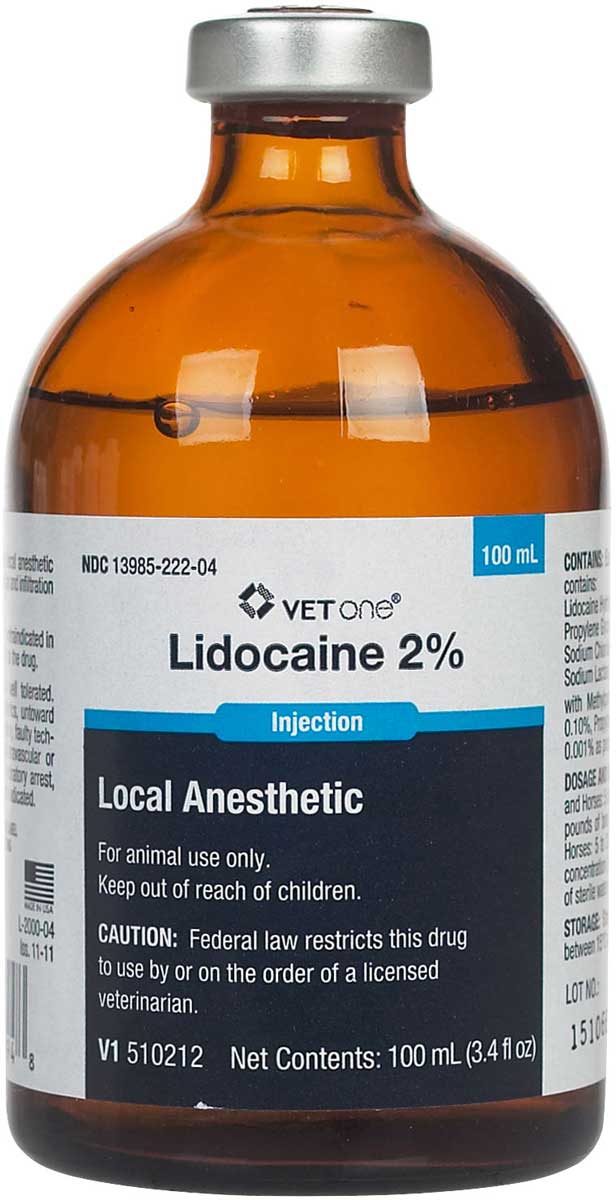 www.valleyvet.comlidocaine animal use equine only larger flash non valleyvet
How Long Does Lidocaine Toxicity Last? « CancerWORLD
 cancerworld.infolidocaine toxicity does last long cancerworld symptoms
Local anesthetic systemic toxicity (last) – core em. Lidocaine toxicity nursing teeth pharmacology choose board. Toxicity lidocaine